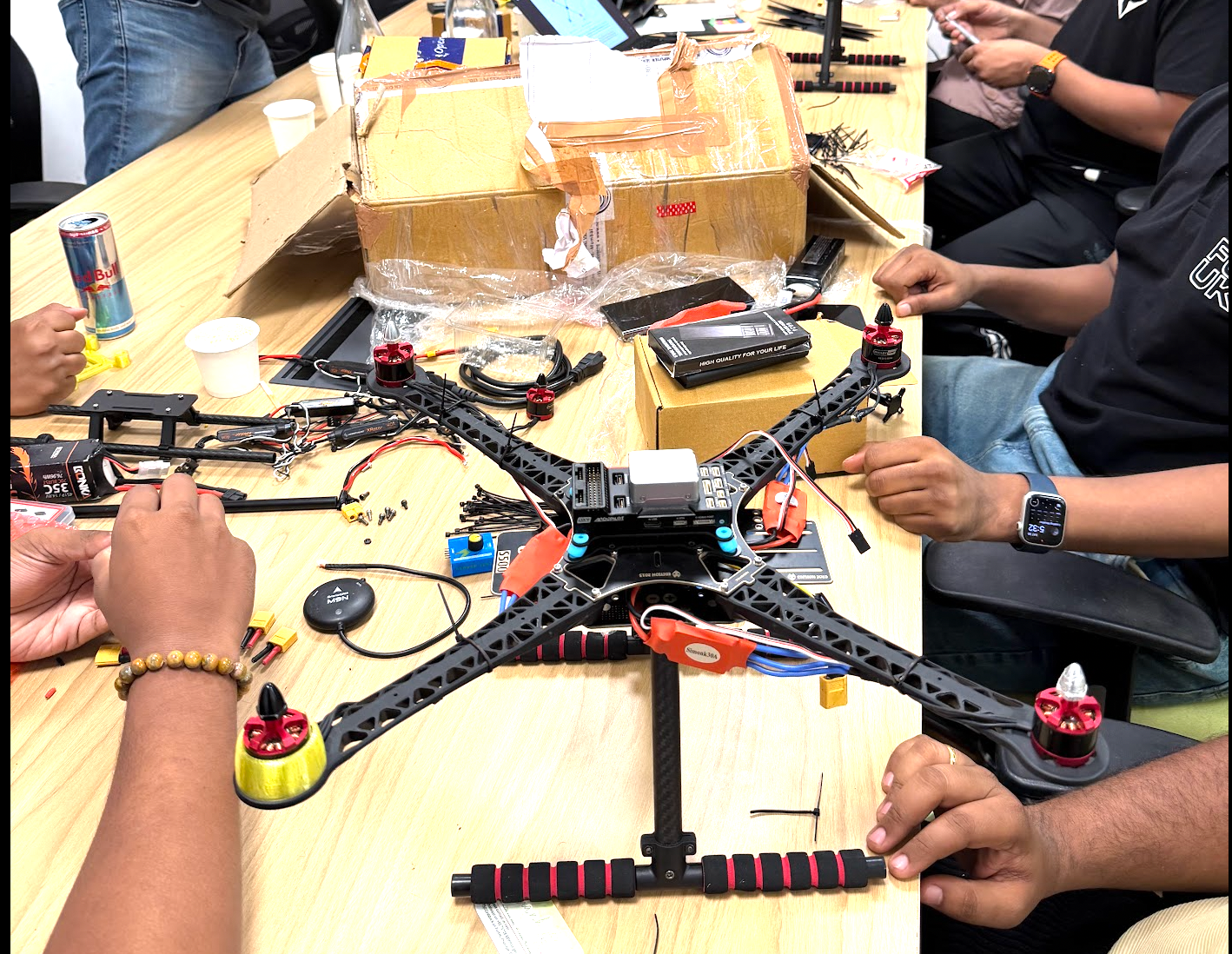
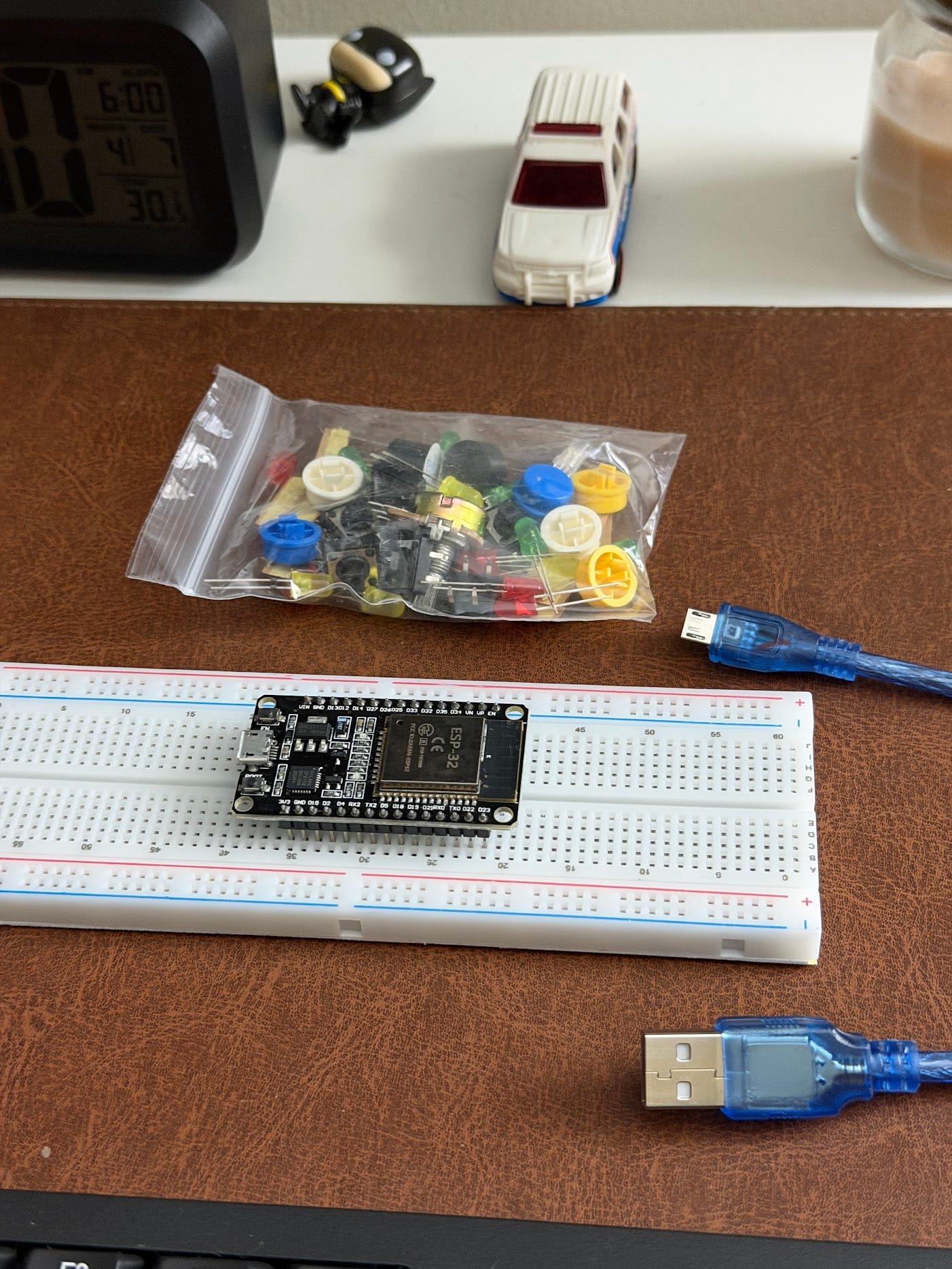
A month ago, a small ESP32 kit arrived at my doorstep. I was on a work call when it got delivered.
The entire meeting, I was pretending to pay attention while thinking about resistors, sensors, LEDs, and all the tiny things I could build with that board.
I hadn’t worked with my hands in a long time. Somewhere between software engineering, gym sessions, weekend plans, bills, and endless screen time, I forgot how satisfying it feels to make something physical. Something real. Something slightly useless but deeply exciting.
So I started small.
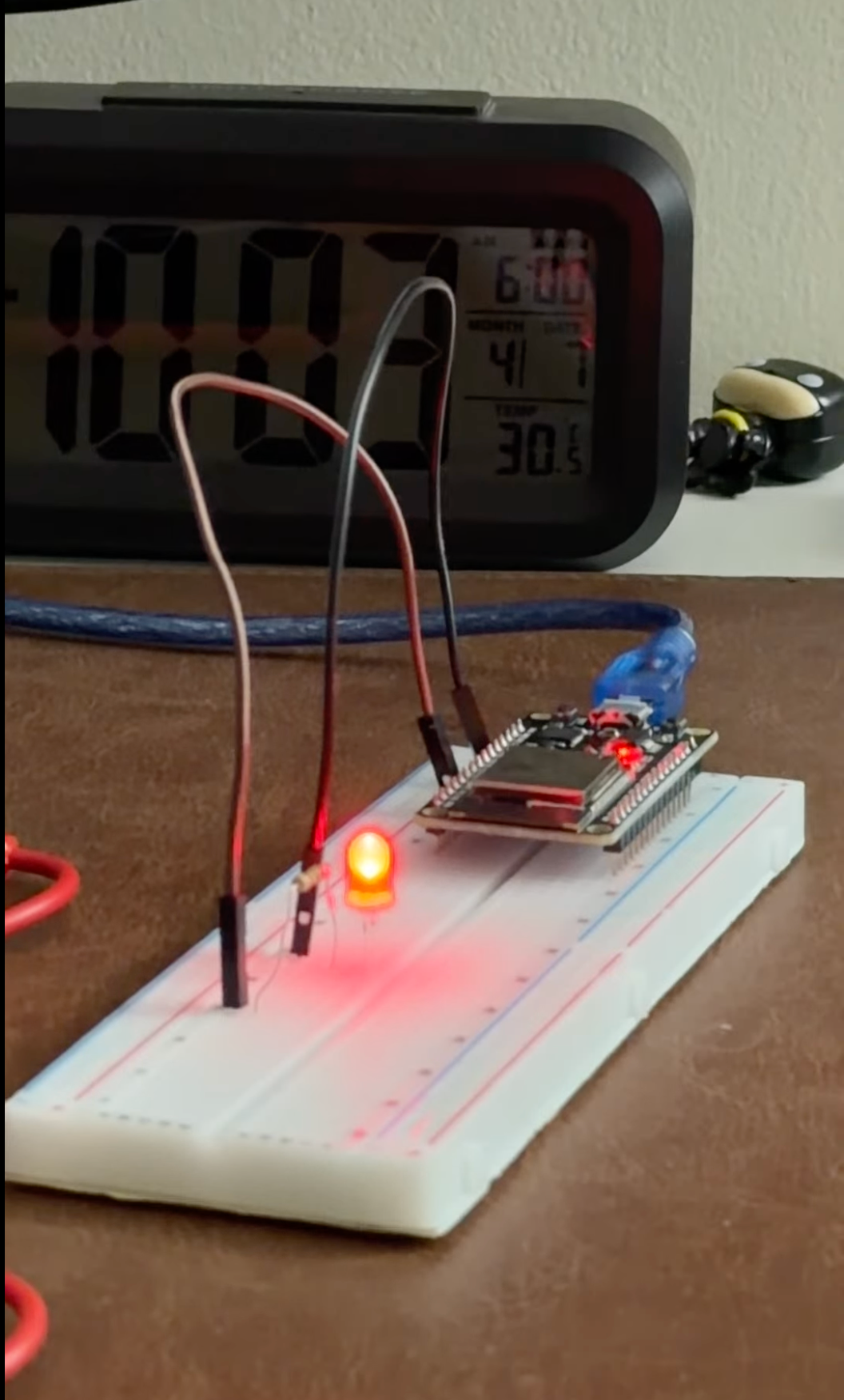
I blinked an LED.
And honestly? It felt incredible.
Baby Steps
The first thing I learned was how little I actually knew. GPIO pins, resistors, jumper wires, breadboards, flashing code onto the board — everything felt both confusing and weirdly exciting.
The LED blinked.
That’s it.
No groundbreaking innovation. No startup idea. No AI. Just a tiny light turning on and off because I told it to.
But something about that moment unlocked a different kind of satisfaction in my brain.
You’re not scrolling.
You’re not consuming.
You’re creating.
RGB LEDs Feel Like Magic
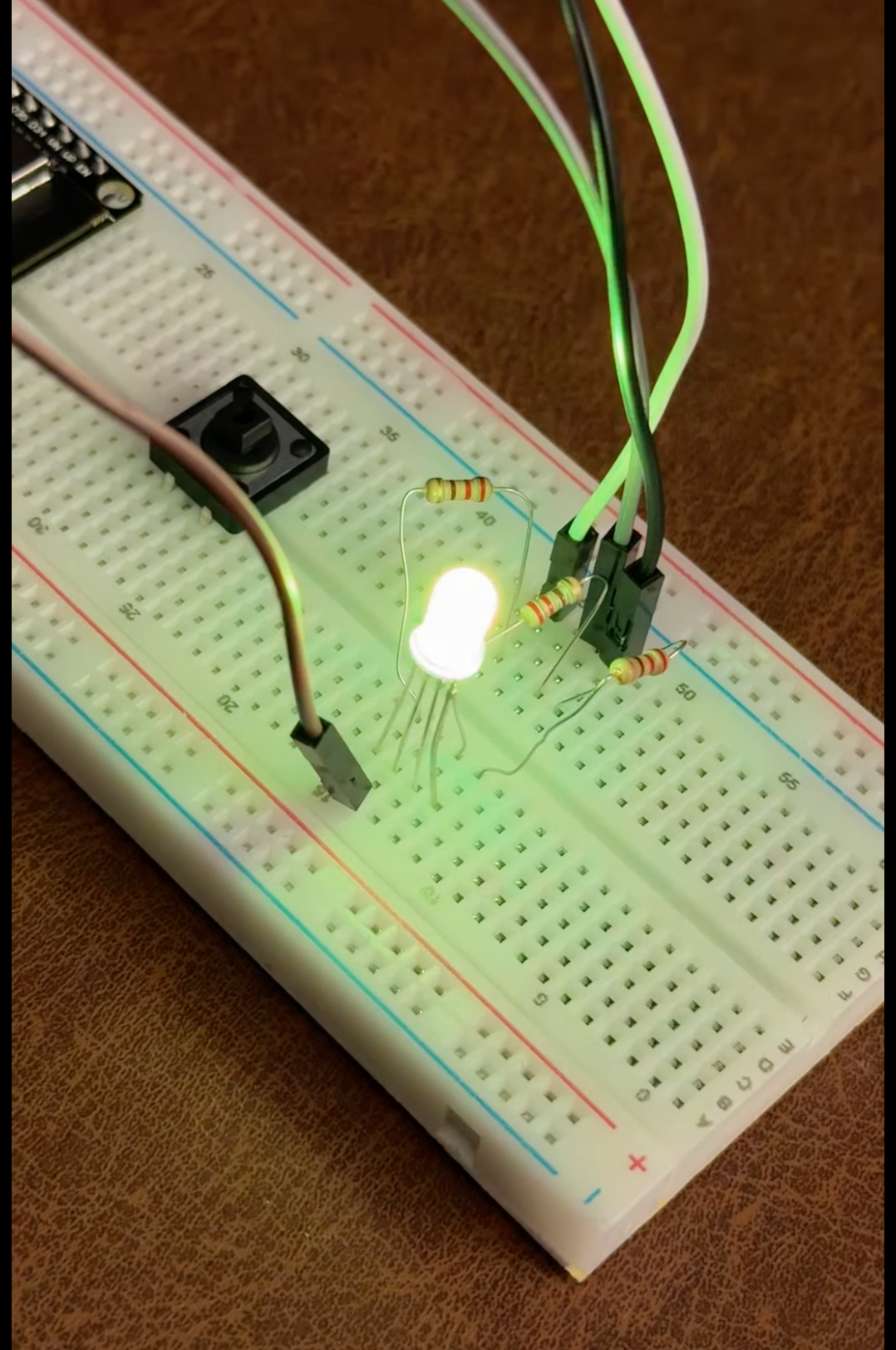
Then I discovered RGB LEDs. Three tiny pins. Infinite colors.
I wrote a few ugly loops to cycle through RGB values and just sat there watching the thing smoothly move through the color wheel like a caveman discovering fire.
The funniest part?
I already knew how displays technically worked. I’ve been around screens my whole life.
But seeing colors appear because I controlled PWM values somehow made it feel magical again.
It’s strange how building even the simplest thing yourself changes your relationship with technology.
Turning Knobs Like a Scientist
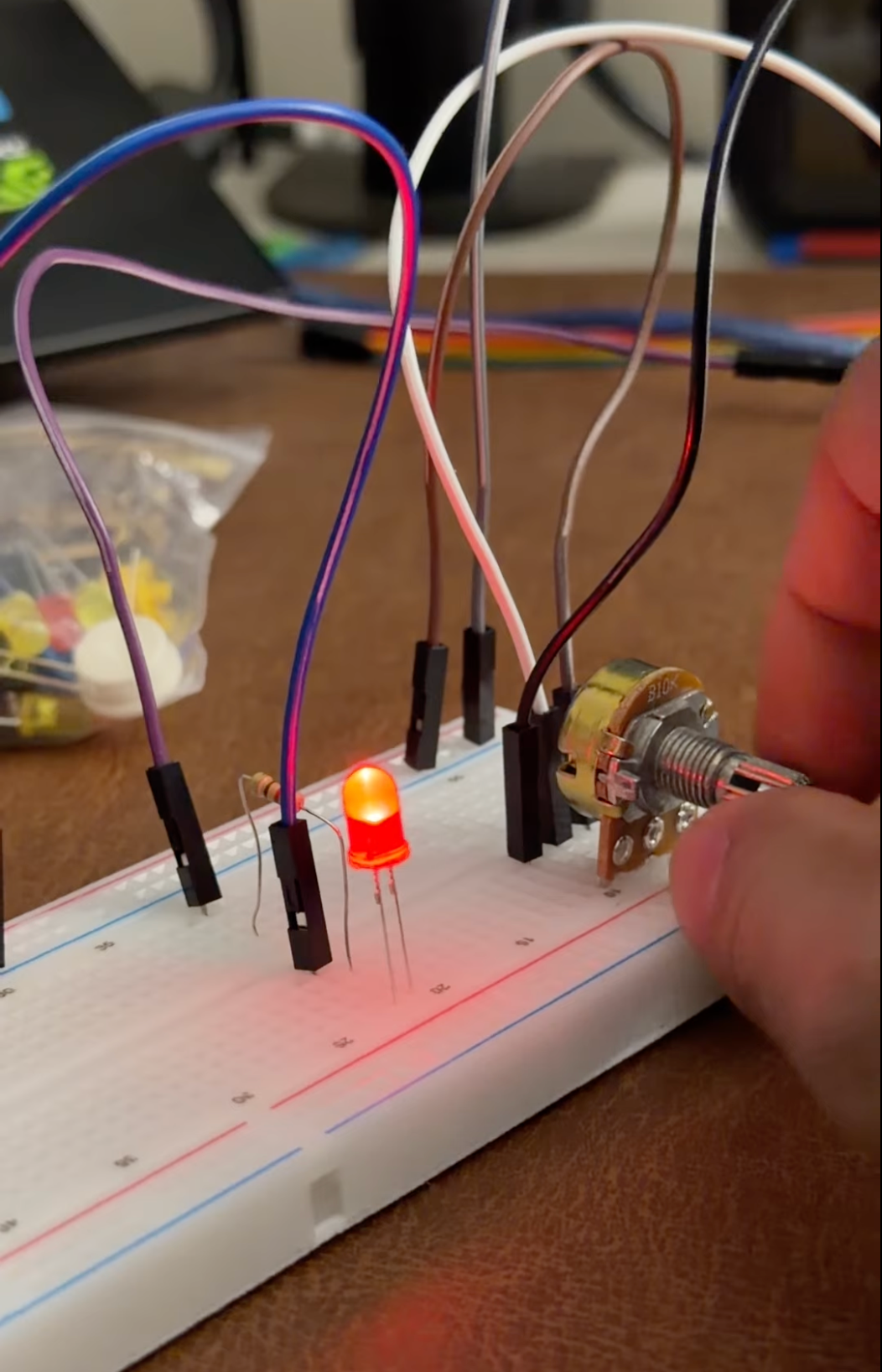
Next came the potentiometer. Which is a fancy word for “fun spinny knob.”
I connected it to the LED brightness and suddenly I could control light intensity manually.
Then I mapped the values to RGB ranges and started controlling colors with it too.
At this point, my room looked less like a software engineer’s apartment and more like a low-budget electronics lab.
Wires everywhere.
Random components on the desk.
Laptop fans screaming.
Pure happiness.
After a couple of weeks of messing around with electronics, life happened. Trips, travel, meeting family and friends.
The kit sat quietly on my desk collecting dust while adult life resumed control. But the interesting thing about hobbies like this is that they stay in your head. Every now and then I’d look at the board and think:
“I should build something tonight.” And eventually, I got pulled back in.
It’s Really Hot in Bangalore
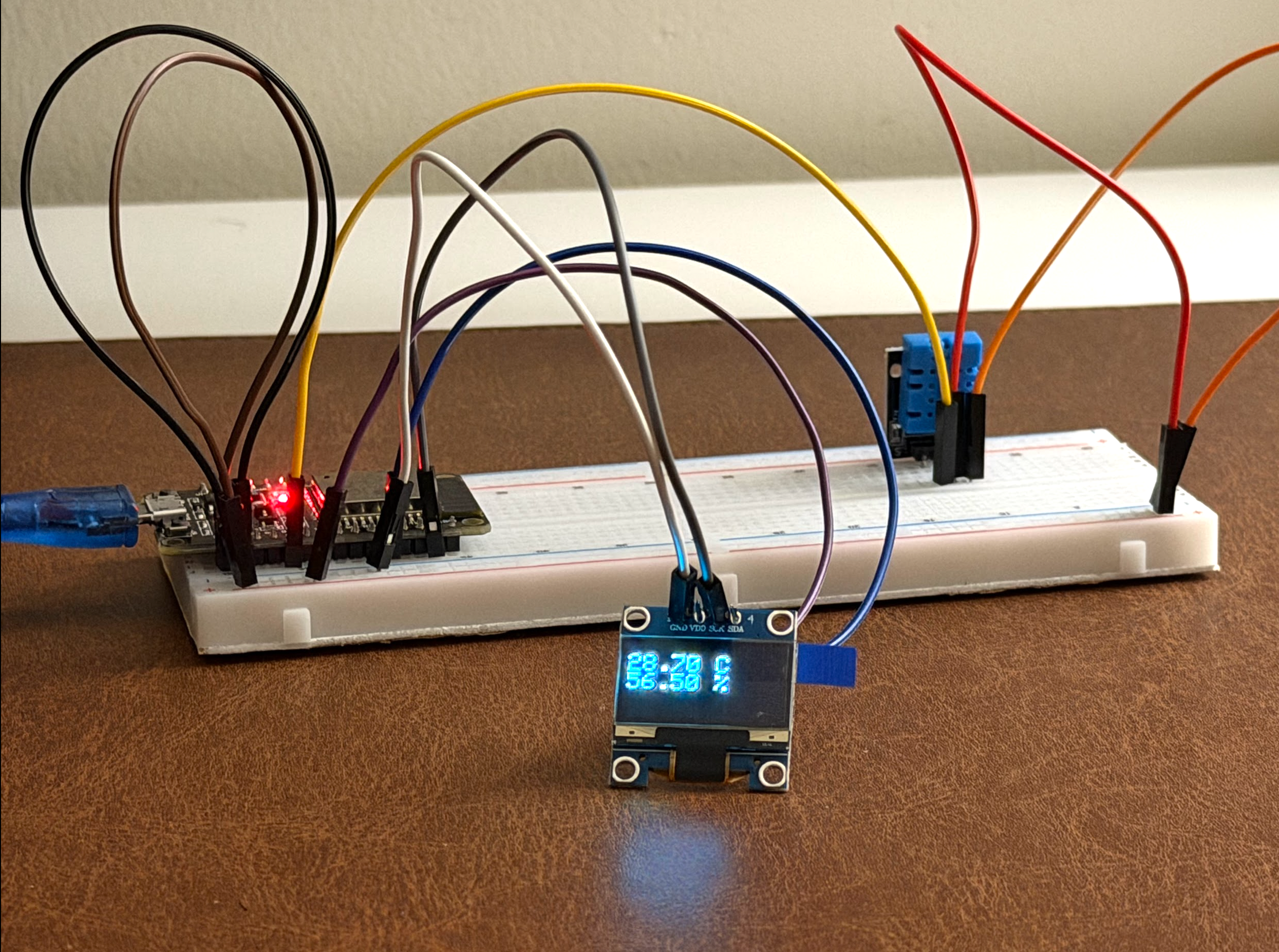
I picked up the DHT11 temperature and humidity sensor next. Nothing fancy. Just environmental data.
Especially because Bangalore decided to become the surface of the sun around the same time.
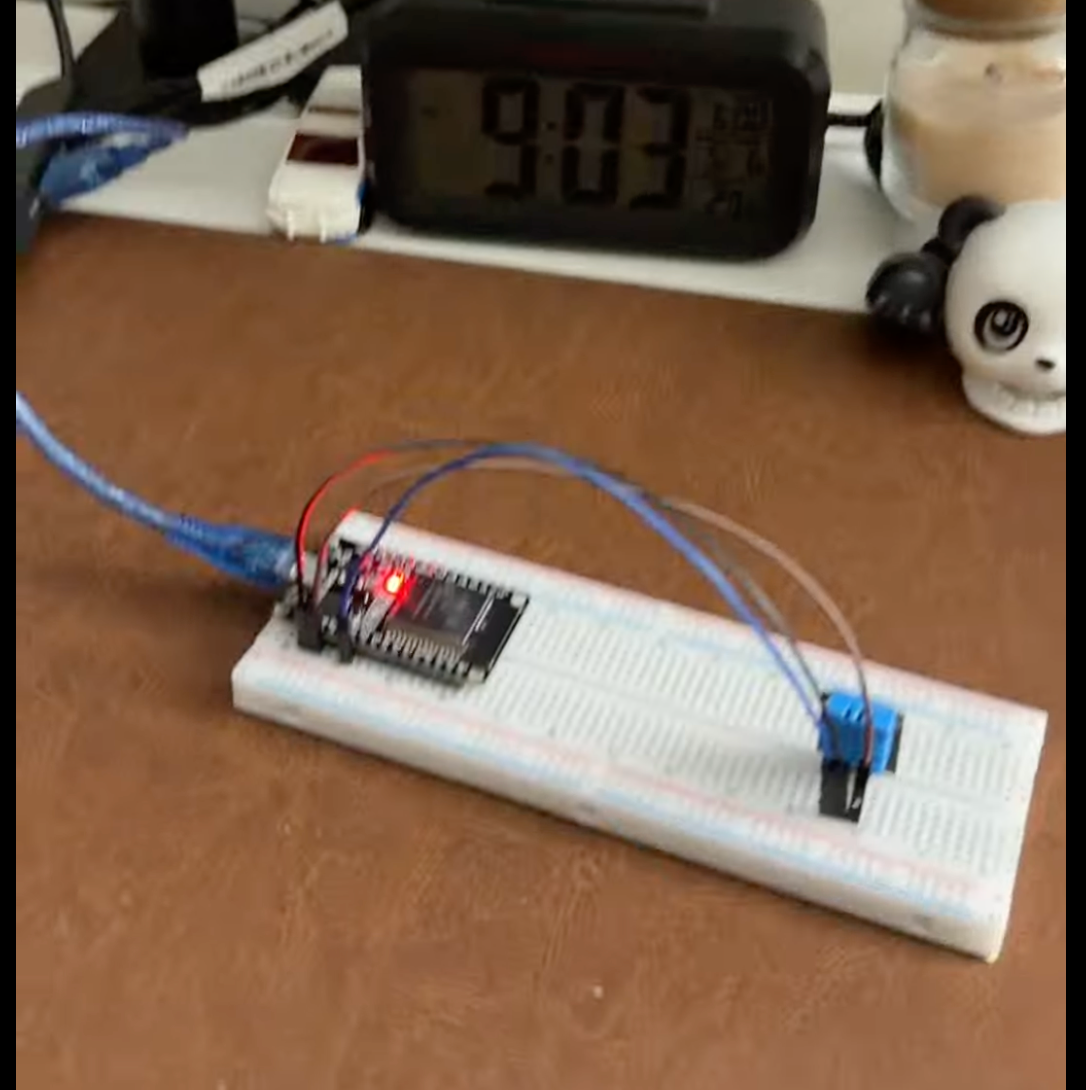
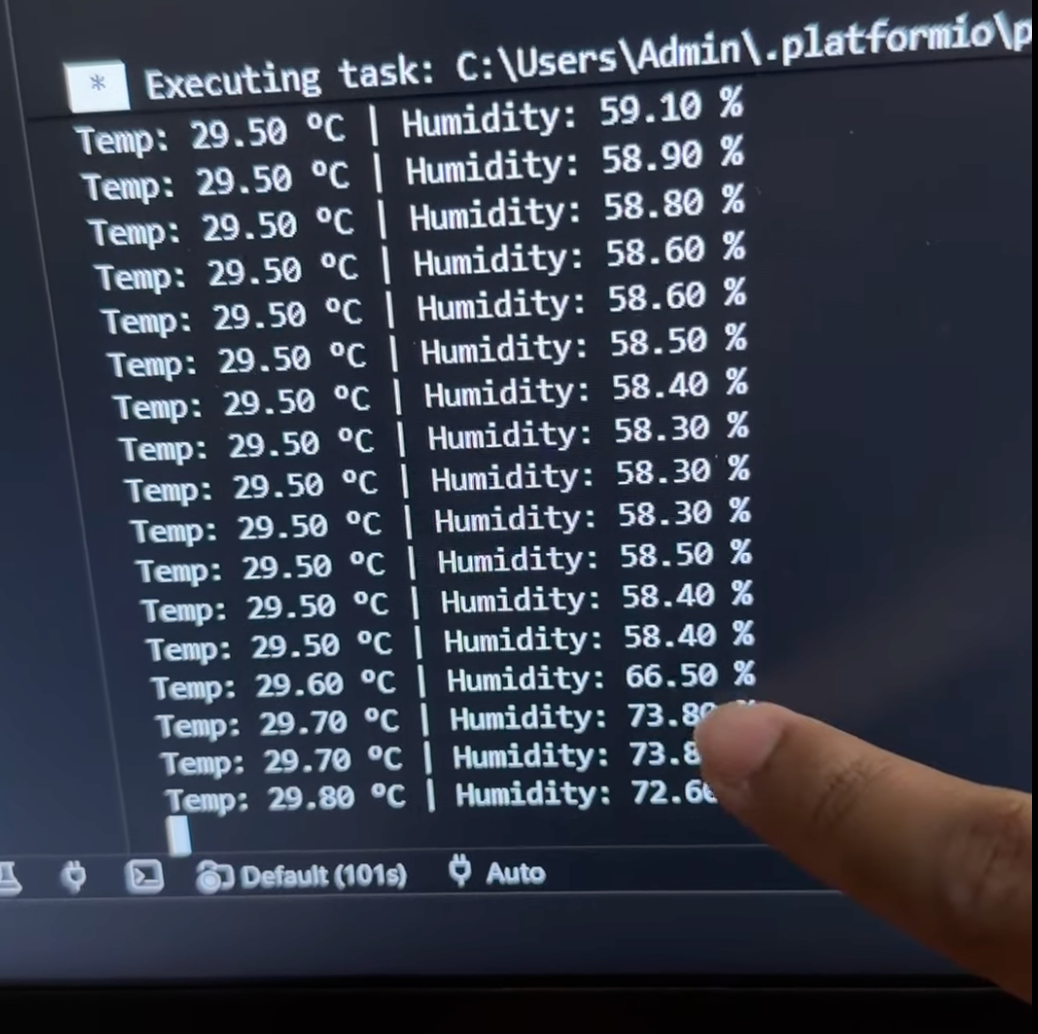
I wired it up and printed the values to the console because, honestly, I didn’t know what else to do with it yet.
But watching live temperature readings from something I connected felt absurdly satisfying.
Hello World, But Physical
Naturally, the next progression was: “What if I could display the sensor data?”
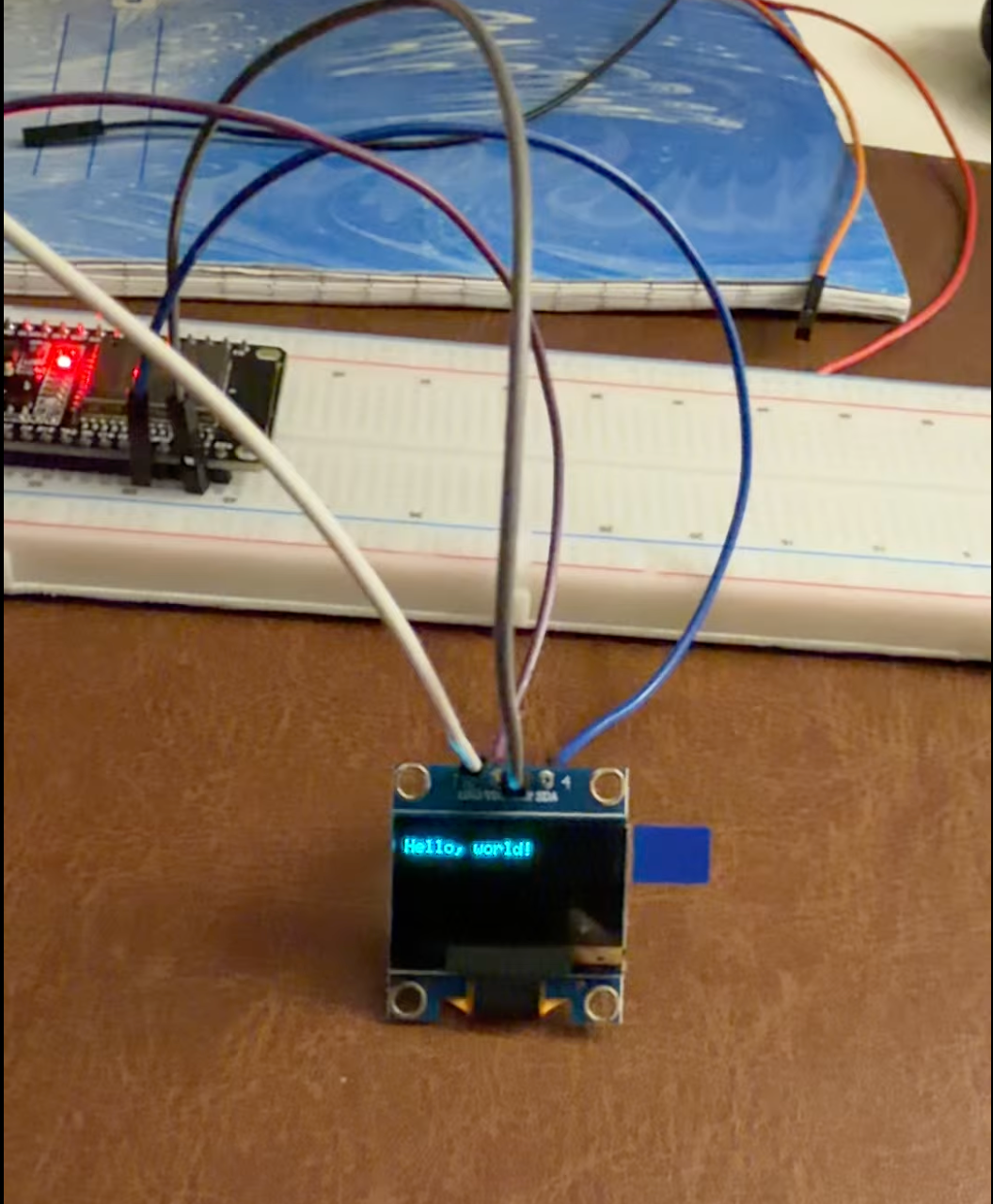
So I connected a tiny LCD screen.
After fighting with wiring for longer than I’d like to admit, the display finally lit up.
“Hello World!”
That tiny screen honestly gave me more happiness than some production deployments at work. Then I combined the projects together.
Temperature and humidity readings directly on the display.
Suddenly it felt less like random experiments and more like actual systems talking to each other.
Tiny systems. But systems.
Don’t come near
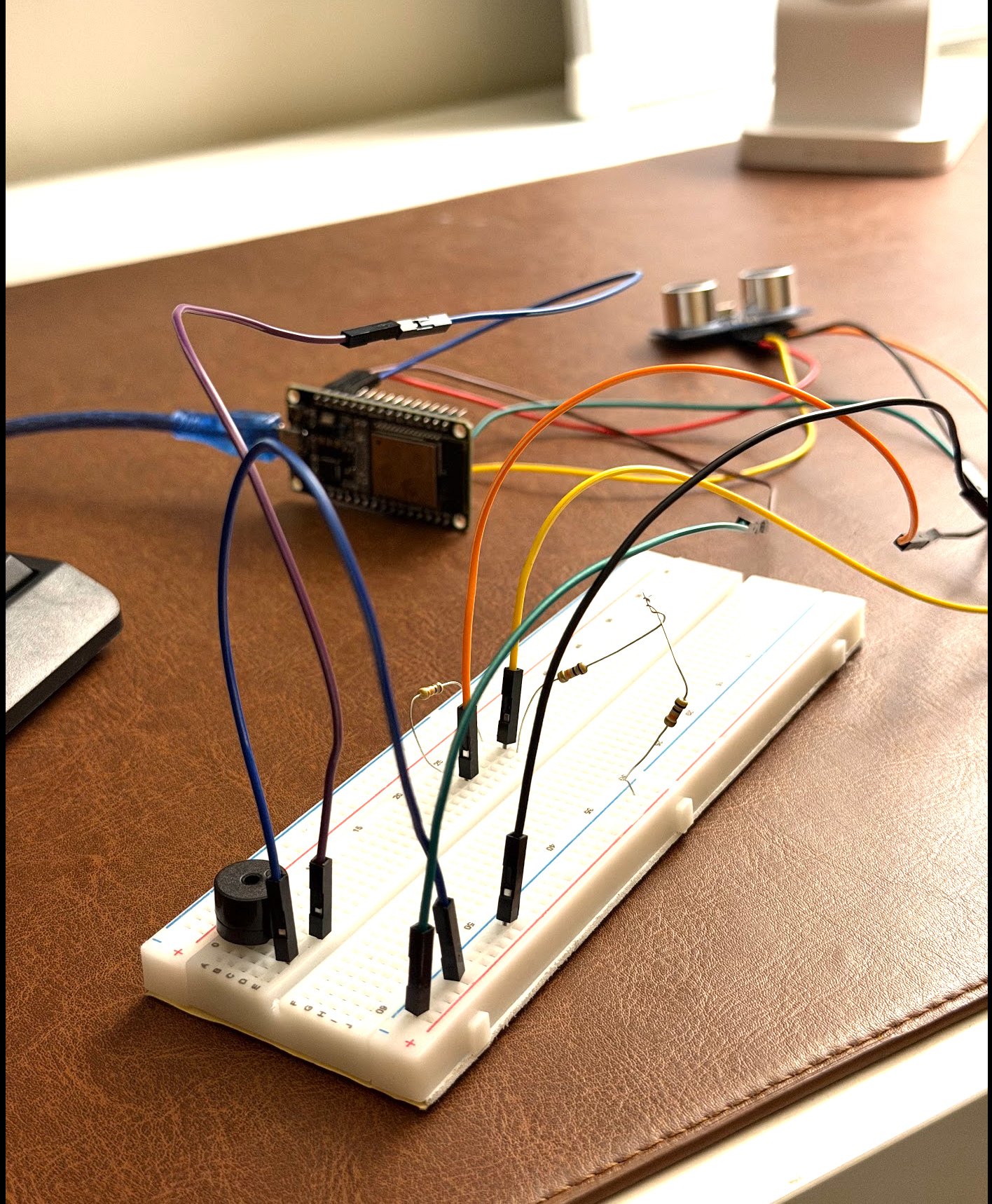
Then came proximity sensors. Now things were getting interesting.
I connected the sensor to a passive buzzer and made it produce different sounds depending on how close an object was.
For an entire evening, I basically entertained myself by moving my hand back and forth like an idiot.
No regrets.
This was also the point where I started understanding why robotics feels so addictive.
Sensors detect the world. Code processes it. Machines react.
That feedback loop scratches something deep in the brain.
Servos Humbled Me Immediately
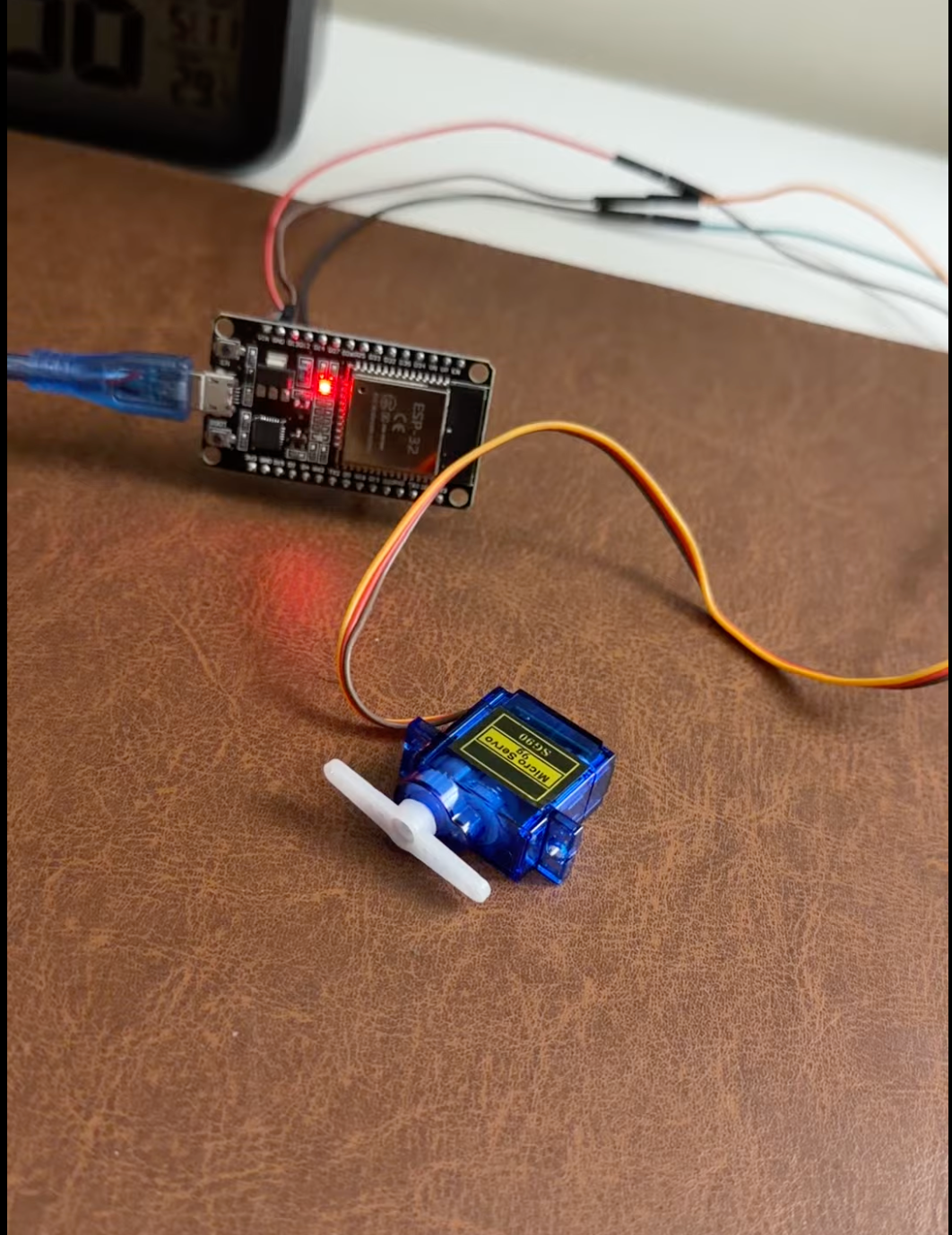
Then I tried servos. And electronics stopped being cute.
The motors needed more power than my setup could properly handle. The ESP32 started behaving weirdly. USB disconnects. Random instability. Confusion.
For a few hours, I genuinely felt like I was fighting electricity itself.
But eventually, after enough debugging and external power supply experiments, the servo moved properly.
That moment when hardware finally works after hours of confusion Dangerously addictive.
Software bugs frustrate you. Hardware bugs make you question physics.
Soldering Felt Illegal the First Time
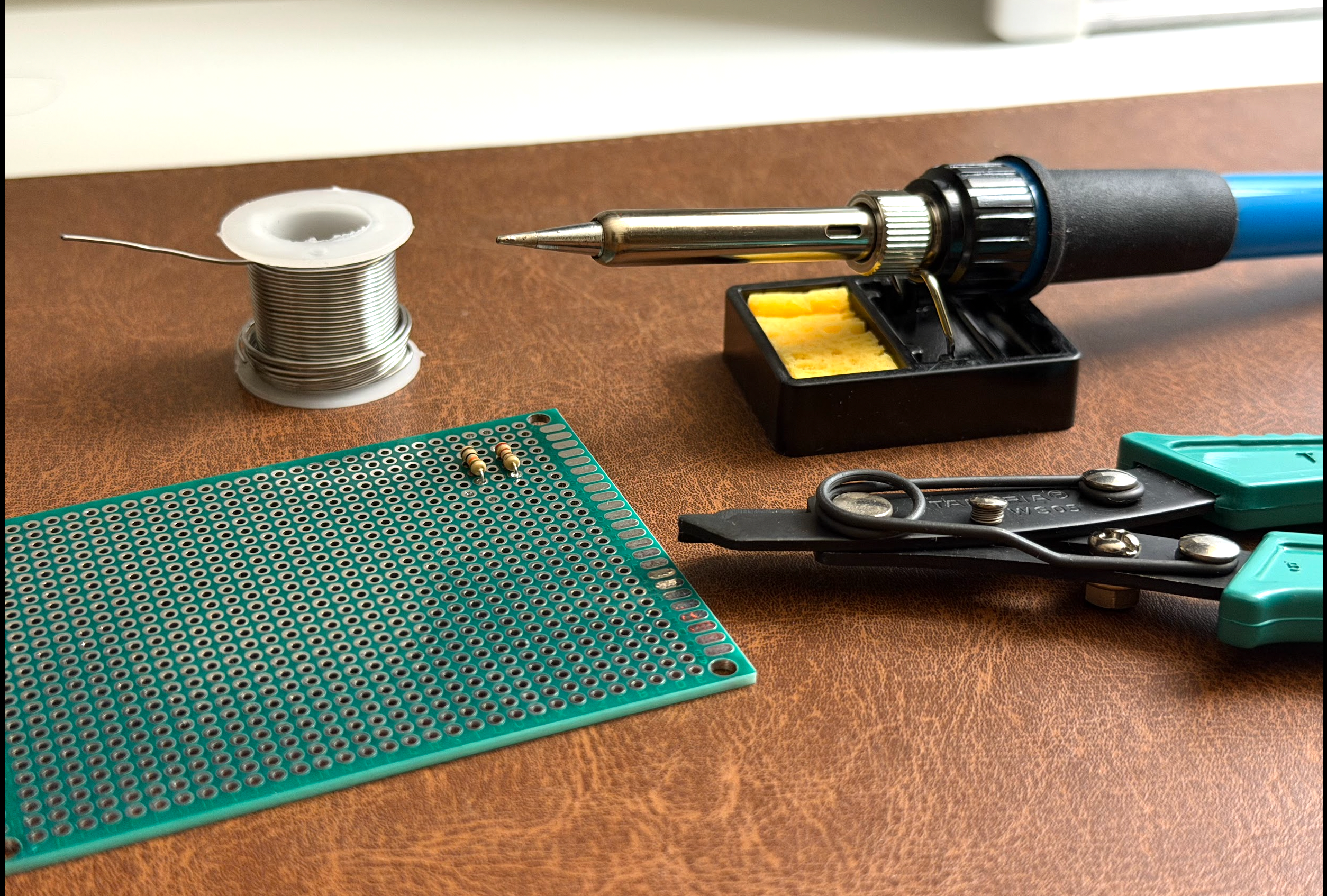
At some point, I got tired of messy prototype wires everywhere. So naturally, I bought a soldering kit.
The first few attempts looked questionable.
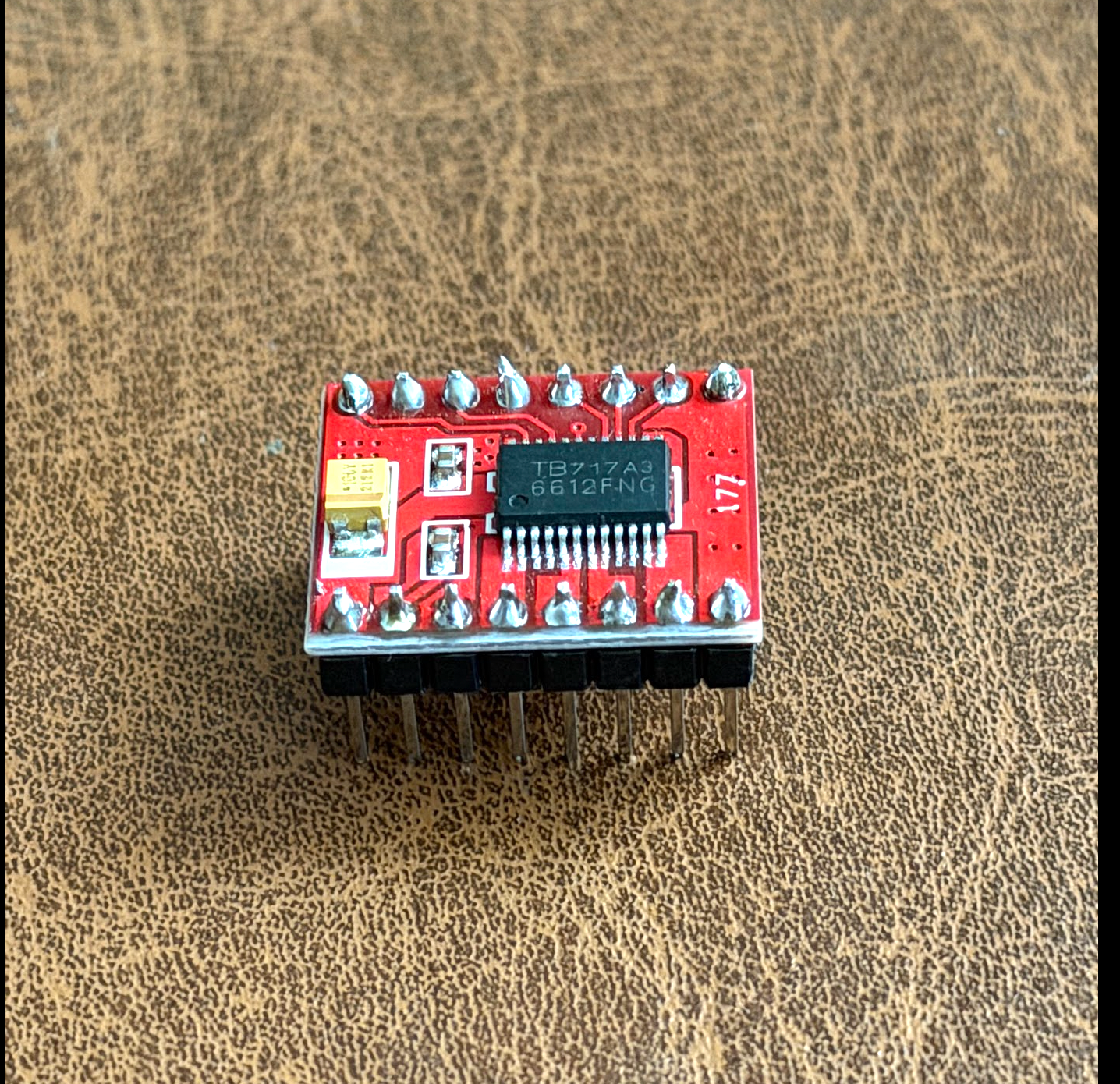
But surprisingly, I got the hang of it pretty quickly and even soldered a motor driver board successfully.
Holding a circuit that you assembled yourself feels different.
It feels permanent. Like your ideas escaped your laptop and entered the real world.
Why This Feels So Good
I think the real reason this hobby hit me so hard is because modern life rarely lets us see tangible progress anymore.
Most of our work lives inside screens.
Invisible. Abstract. Endless.
But electronics gives immediate feedback.
You connect something wrong — it fails.
You fix it — it works.
The reward loop is brutally honest.
And weirdly refreshing.
What’s Next
Right now, I’m working on a few bigger projects involving motors, sensors, movement, and hopefully something that looks slightly less like a bomb prototype on my desk.
Still learning.
Still breaking things.
Still having way too much fun.
Honestly, I forgot how good it feels to be a beginner again.